Understanding Atopic Dermatitis
What is AD
A chronic, systemic disease — not just a skin condition.
Atopic dermatitis (AD) affects more than 31 million Americans — adults and children of all ages. While often dismissed as "just eczema" or a cosmetic concern, AD is a serious, systemic disease that disrupts sleep, impairs mental health, limits daily activities and significantly reduces quality of life.
AD has been undercounted, underfunded and misunderstood for decades. The State of AD initiative exists to change that.

Full impact of AD
AD reaches far beyond the skin
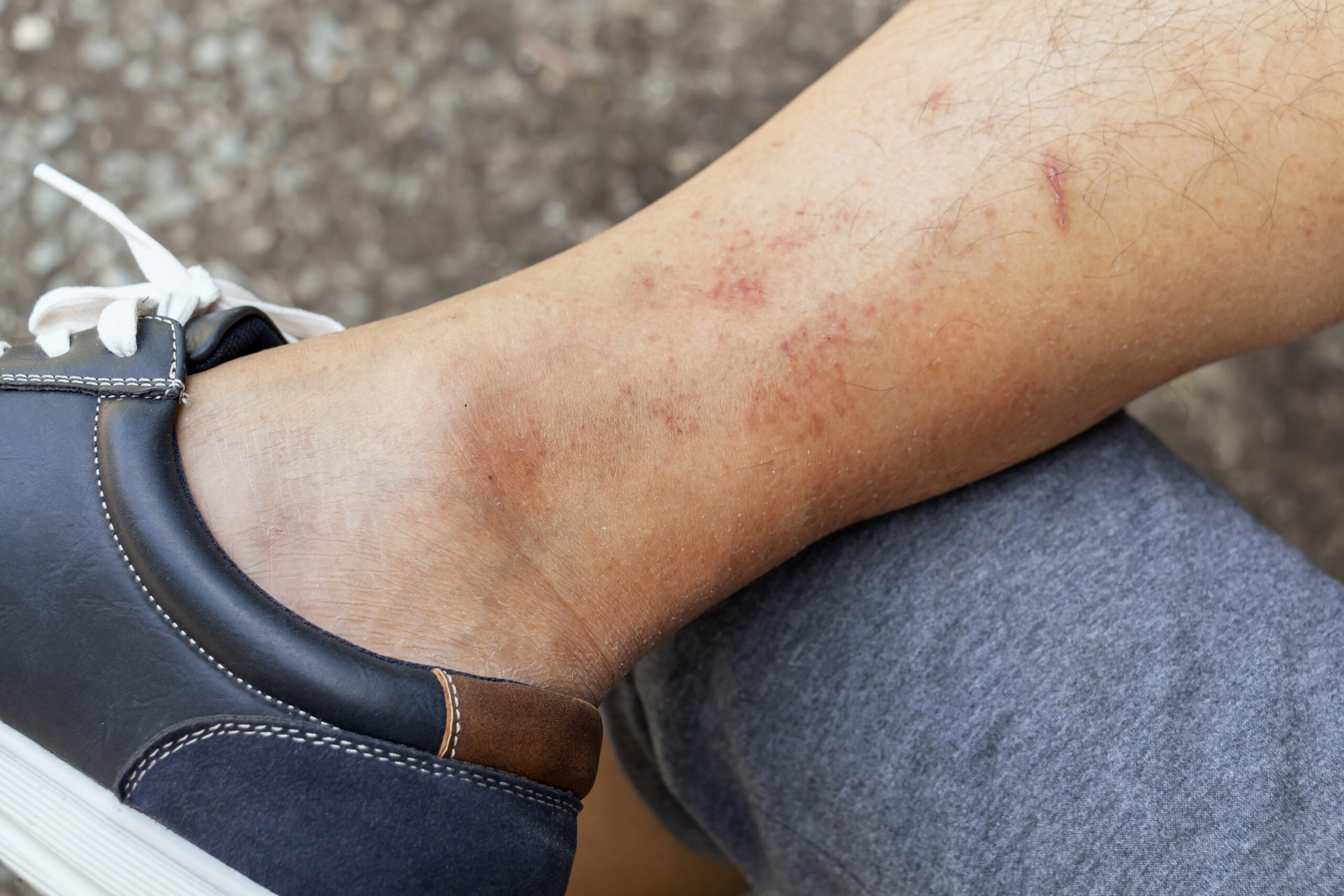
The chronic itch-scratch cycle is just the surface. For most people living with AD, the disease shapes their sleep, their mental health, their relationships and their finances. It rarely travels alone.

Sleep disruption
Chronic itch often prevents restful sleep, affecting concentration, mood and performance.

Mental health impact
Children and adults with AD often have higher rates of anxiety and depression.

Comorbidities
AD includes an increased risk of asthma, food allergies and hay fever; this is often called the “atopic march” when conditions develop in sequence.

Economic burden
Billions are spent each year in direct AD healthcare costs and out-of-pocket expenses for treatments and skincare products, plus lost productivity from missed work and school.

Social impact
Visible symptoms can lead to isolation, reduced social engagement and lower participation in activities like sports or swimming.
The care gap
AD is a public health problem
AD is now recognized as a lifelong disease, not just a childhood condition. Yet unlike asthma or diabetes, which carry similar prevalence numbers, AD has received minimal attention from public health systems.
The gaps are specific and consequential. Most primary care providers receive little training on AD recognition or management, which means delayed diagnosis and suboptimal care for millions of patients. Access to specialists varies dramatically by region. Rural and underserved communities often have no local providers at all.
Until now, no one had the geographic data to show exactly where the burden was greatest.

Health disparities
The burden isn’t equal
AD affects people of all races and ethnicities, but the experience of living with AD and accessing effective care varies dramatically based on social determinants of health. Disparities exist across multiple dimensions:

Access to treatment
Even with a diagnosis, not everyone can access the treatments that manage AD. Cost, insurance coverage and provider availability all shape whether someone can start, and stay on, an effective treatment plan.

Geographic location
Many rural counties have zero dermatologists, forcing families to travel hours for specialist appointments, if they can afford to.

Insurance and socioeconomic factors
Medicaid beneficiaries face longer wait times and fewer covered treatments. Housing quality, environmental exposures, systemic inequalities and financial stress all impact a patient or family's ability to manage the condition.
These disparities aren't inevitable. But addressing them requires knowing where they are, how severe they are and who they affect. That's exactly what this initiative was built to find out.
Why local data matters
National averages hide local realities
A national statistic tells you AD is common. It doesn't tell you that your county has 2,000 pediatric AD cases and zero pediatric dermatologists. State and local data is what turns a policy conversation into an action plan.

Targeted resource allocation
Direct funding and programs to communities with documented highest disease impact.

Provider recruitment
Identify care deserts and develop solutions through specialist recruitment, primary care training or telehealth.

Evidence for policy change
Cite specific data when advocating for Medicaid coverage, school programs or community health center funding.

Benchmarking and accountability
Healthcare systems can identify gaps in diagnosis or referral patterns compared to regional norms.
Looking ahead
What comes next
The State of AD Report is the foundation. In the phases ahead, NEA will use this data to equip primary care providers with tools they can use in the exam room, launch regional education programs in the 10 priority states identified through the report and build public awareness campaigns for the communities where the burden is highest and the gaps are widest.
These efforts support NEA's mission to improve outcomes for people with eczema through education, awareness, advocacy and improved access to care.